Arturo Moreno: The Business Mind Who Changed the Game in Major League Baseball

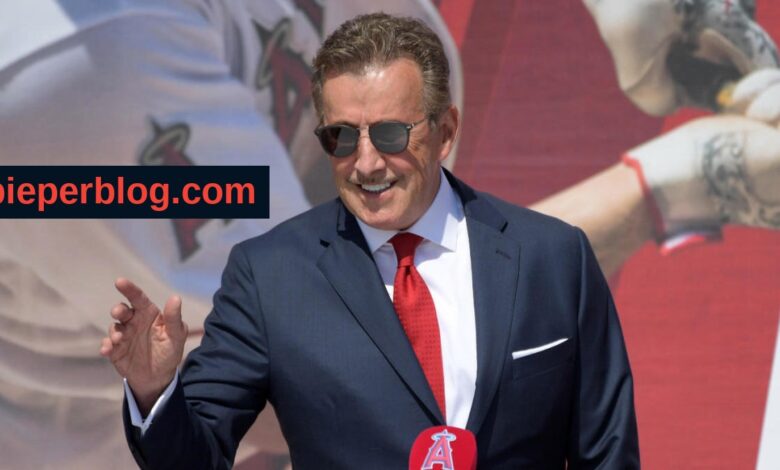
When people talk about powerful figures in American sports ownership, the name Arturo Moreno inevitably comes up. Known for his bold decisions, marketing brilliance, and willingness to take financial risks, Moreno reshaped not only a franchise but also how ownership is perceived in professional baseball. He is not just a businessman who happened to buy a team—he is a strategic thinker who applied corporate-level marketing expertise to America’s pastime.
Arturo Moreno story is compelling because it blends entrepreneurship, cultural impact, and sports management. As the first Mexican-American to own a Major League Baseball team, he broke barriers while building an empire. His ownership of the Los Angeles Angels marked a turning point not only for the franchise but also for diversity at the executive level in professional sports.
This article takes a deep dive into Arturo Moreno background, business strategies, impact on baseball, leadership style, controversies, and long-term legacy. Let’s unpack what makes him such a fascinating figure in modern sports history.
Early Life and the Foundations of a Business Mind
Arturo Moreno was born in Tucson, Arizona, into a Mexican-American family where hard work was not optional—it was expected. Growing up as one of many siblings in a modest household, Moreno learned early the value of discipline and persistence. These qualities would later define his approach to business and sports ownership.
He served in the U.S. Army before attending the University of Arizona, where he studied marketing. That decision would shape his future in ways that few could have predicted. Marketing, after all, became the foundation of his financial success long before he entered the sports world.
Before buying the Angels, Arturo Moreno built his fortune through billboard advertising. As an executive at Outdoor Systems, he demonstrated a sharp understanding of consumer psychology and brand positioning. When the company was sold to Infinity Broadcasting for billions, Arturo Moreno walked away with the capital—and the confidence—to think much bigger.
Buying the Los Angeles Angels: A Historic Move

In 2003, Arturo Moreno made headlines when he purchased the Los Angeles Angels from The Walt Disney Company for approximately $184 million. At the time, many observers viewed the move as ambitious but risky. Baseball ownership is not for the faint of heart; it requires patience, vision, and deep pockets.
What made the acquisition historic was not just the price tag. Arturo Moreno became the first Mexican-American owner in Major League Baseball history. That alone was groundbreaking, sending a powerful message about representation in professional sports leadership.
But Arturo Moreno was not interested in symbolic achievements. He immediately began investing heavily in player salaries, marketing campaigns, and stadium improvements. He understood something critical: owning a sports franchise is as much about brand building as it is about wins and losses.
Marketing Genius: How Moreno Applied Corporate Strategy to Baseball
Arturo Moreno marketing instincts were evident almost immediately. One of his most controversial yet strategic decisions was renaming the team to the Los Angeles Angels of Anaheim. While critics debated the logic, Moreno saw it as a branding move designed to expand the team’s market reach.
From a business perspective, attaching “Los Angeles” to the team’s name dramatically increased national exposure. In marketing, visibility equals value. Arturo Moreno wasn’t making a sentimental decision—he was making a calculated one.
He also reduced concession prices early in his ownership, a rare move in professional sports. Instead of squeezing fans for maximum short-term profit, Arturo Moreno focused on long-term loyalty. Lower beer and ticket prices encouraged attendance and goodwill, reinforcing the Angels’ brand as fan-friendly.
This blend of bold branding and consumer-focused strategy reflected the mindset of someone who built his fortune understanding audiences. He did not treat the Angels purely as a baseball team; he treated them as a premium entertainment brand.
Big Contracts and Bold Risks
If there’s one thing Arturo Moreno is known for, it’s his willingness to spend big. Under his ownership, the Angels signed several high-profile players to massive contracts. The most notable examples include Albert Pujols, Josh Hamilton, and Anthony Rendon.
These signings demonstrated Arturo Moreno commitment to competing at the highest level. He was not content with mediocrity. He wanted star power, playoff appearances, and championships.
However, not all of these investments paid off. Injuries and declining performance turned some of those contracts into financial burdens. Critics argued that Arturo Moreno aggressive spending sometimes lacked long-term roster strategy. Supporters countered that ownership willing to spend is far better than ownership content to save money.
The truth lies somewhere in between. Arturo Moreno approach showed courage and ambition, but baseball success requires more than financial muscle. It demands alignment between ownership, front office leadership, and player development systems.
Leadership Style: Hands-On but Business-Oriented
Unlike some sports owners who remain largely invisible, Arturo Moreno maintained a noticeable presence in team affairs. Reports often described him as more hands-on than many of his peers. He cared deeply about decisions that affected the team’s public image and financial structure.
That involvement occasionally sparked debate. In professional sports, balance between ownership and baseball operations is crucial. Some analysts believed Arturo Moreno marketing-first mindset occasionally overshadowed purely baseball-centric strategy.
Still, his leadership style reflected accountability. Arturo Moreno never appeared detached. He understood that ownership is not just about writing checks; it is about shaping culture and direction.
From a business standpoint, he treated the franchise as an evolving enterprise rather than a static asset. That perspective explains why the Angels’ valuation soared during his tenure.
Financial Growth and Franchise Valuation
When Arturo Moreno purchased the Angels in 2003 for $184 million, many questioned the long-term return on investment. Two decades later, that skepticism looks misplaced.
The team’s valuation climbed into the billions, reflecting both league-wide growth and Arturo Moreno strategic positioning. Television deals, sponsorship agreements, and brand expansion all contributed to this surge in value.
Arturo Moreno briefly explored selling the team in 2022, generating significant interest from potential buyers. Although he ultimately decided not to complete the sale, the mere speculation highlighted how dramatically the franchise’s value had increased.
This growth reinforced Arturo Moreno identity as a businessman first and sports owner second. While championships matter deeply to fans, ownership also involves financial stewardship—and on that front, Moreno undeniably succeeded.
Cultural Impact and Representation
Beyond financial numbers, Arturo Moreno ownership carried cultural weight. As the first Mexican-American owner in Major League Baseball, he became a symbol of possibility.
Baseball has long featured Latino players, but executive-level diversity historically lagged behind. Arturo Moreno presence in ownership circles subtly shifted that narrative. Representation at the top levels matters—not only symbolically but practically.
His success demonstrated that business leadership in sports is not confined to traditional backgrounds. That influence extends beyond baseball into broader discussions about diversity in corporate America.
Arturo Moreno did not frame himself as a political figure or activist, but his mere presence changed perceptions.
Controversies and Criticism
No long-term sports owner escapes criticism, and Arturo Moreno is no exception. Fans often expressed frustration over the team’s inconsistent playoff appearances during his tenure.
Despite massive payroll investments and generational talents like Mike Trout and Shohei Ohtani, postseason success remained limited. Critics argued that spending alone does not guarantee championships and questioned roster-building decisions.
Others debated the stadium negotiations and local political dynamics surrounding Angel Stadium. As with most franchise owners, business decisions sometimes collided with public opinion.
Yet it is important to distinguish between intent and outcome. Arturo Moreno consistently demonstrated willingness to invest in winning. The results simply did not always align with expectations.
The Long-Term Legacy of Arturo Moreno
So how will history remember Arturo Moreno?
He will likely be viewed as a transformative yet complex figure. A marketing visionary who modernized franchise branding. A barrier-breaking owner who expanded representation. A risk-taker who pursued star power aggressively. And a businessman who significantly increased franchise value.
Legacy in sports ownership is rarely black and white. Championships matter, but so do cultural impact and financial stewardship. Arturo Moreno tenure checks multiple boxes, even if it falls short in certain competitive measures.
Ultimately, Arturo Moreno story is not just about baseball. It is about vision, risk, and the intersection of business strategy with professional sports. He entered Major League Baseball not as a lifelong insider but as an entrepreneur—and he left an undeniable mark.
Whether admired or criticized, Arturo Moreno changed the conversation around ownership in baseball. And that alone secures his place in the modern history of the game.