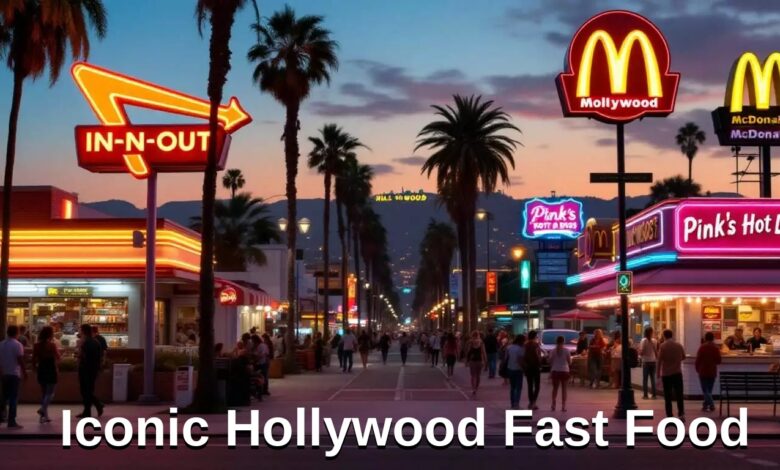
When people think of Iconic Hollywood Fast Food they usually picture red carpets, blockbuster movies, and larger-than-life celebrities. But there’s another side of Hollywood that quietly shaped pop culture just as much as films themselves: food. More specifically. From greasy burgers eaten in late-night diners to drive-thru meals featured in unforgettable scenes, fast food has played a surprisingly powerful role in Hollywood storytelling.
What makes Iconic Hollywood so special isn’t just the taste—it’s the emotion attached to it. These meals symbolize freedom, rebellion, comfort, and sometimes even irony. Directors and writers have repeatedly used fast food as a visual shortcut to connect with audiences because it’s familiar, relatable, and deeply rooted in American culture. Over time, these moments turned ordinary meals into legendary cinematic symbols.
In this article, we’ll explore how Iconic Hollywood Fast Food became a cultural force, how it reflects American identity, why filmmakers love it, and how it continues to influence global food trends today.
The Birth of Iconic Hollywood Fast Food in Early Cinema
The relationship between Hollywood and fast food didn’t happen overnight. In the early days of cinema, food scenes were rare and often formal. As films began focusing more on everyday life, fast food naturally found its way onto the screen. This shift marked the quiet beginning of what we now call Iconic Hollywood Fast Food, where simple meals carried deeper meaning.
During the post-war boom, diners, burger joints, and roadside eateries became symbols of modern America. Hollywood embraced these locations because they represented mobility, youth culture, and economic growth. A burger and fries weren’t just food—they were a statement. This era laid the groundwork for Iconic Hollywood to evolve into a recognizable cinematic trope.
What’s fascinating is how quickly audiences connected with these scenes. Seeing characters eat familiar fast food made them feel more real. Filmmakers realized that Iconic Hollywood Fast Food could ground even the most dramatic stories in reality, making characters relatable regardless of genre.
Why Directors Love Using Iconic Hollywood Fast Food

One major reason filmmakers repeatedly use Iconic Hollywood Fast Food is visual storytelling. Fast food instantly sets a tone. A messy burger can suggest chaos or rebellion, while a quiet diner scene can feel nostalgic or intimate. Without saying a word, the food tells part of the story.
Another reason is accessibility. Everyone understands fast food. When a character eats a burger in a movie, audiences don’t need an explanation. This universal familiarity makes Iconic Hollywood Fast Food a powerful narrative tool. It allows directors to focus on emotion and dialogue while the setting does subtle work in the background.
From an expert filmmaking perspective, fast food scenes also help with pacing. They provide natural pauses for dialogue, character development, or tension. Over time, this technique became a signature element of Iconic Hollywood Fast Food, proving that even a simple meal can elevate storytelling when used thoughtfully.
Iconic Hollywood Fast Food as a Reflection of American Culture
At its core, Iconic Hollywood Fast Food reflects American values—speed, convenience, individuality, and indulgence. Hollywood movies often exaggerate these traits, and fast food fits perfectly into that narrative. It represents both the best and worst of modern life, which is why it appears in comedies, dramas, and even thrillers.
Fast food in Hollywood also highlights social contrasts. A billionaire eating fries in a car feels rebellious, while a struggling character sharing a cheap meal feels authentic. These contrasts make Iconic Hollywood Fast Food a mirror of society, showing how food connects people across class lines.
Over decades, these scenes shaped how the world views American food culture. International audiences often associate burgers, milkshakes, and fries with Hollywood glamour. This global influence proves that Iconic Hollywood Fast Food is more than a cinematic detail—it’s a cultural export.
Famous Movie Moments That Defined Iconic Hollywood Fast Food
Some movie scenes are unforgettable specifically because of the food involved. These moments turned ordinary meals into legendary symbols of cinema. Iconic Hollywood Fast Food scenes often become more memorable than the dialogue itself, sticking with viewers long after the credits roll.
What makes these moments work is authenticity. Characters don’t treat fast food as special—it’s just part of their world. That realism is why Iconic Hollywood Fast Food feels timeless. Whether it’s a late-night drive-thru or a quiet diner booth, these scenes resonate across generations.
From an industry perspective, these moments also influence real-world behavior. Fans visit filming locations, recreate meals, and associate certain foods with specific movies. This crossover effect shows how Iconic Hollywood Fast Food blurs the line between fiction and reality in a powerful way.
The Modern Evolution of Iconic Hollywood Fast Food
In today’s cinema, Iconic Hollywood Fast Food has evolved but hasn’t disappeared. Modern films and series use fast food to comment on nostalgia, irony, or even consumer culture. Sometimes it’s used humorously; other times, it’s deeply symbolic.
Streaming platforms and independent films have also embraced this trend. Fast food now appears in more diverse stories, reflecting changing social values. This evolution proves that Iconic Hollywood Fast Food adapts with the times while staying culturally relevant.
Looking ahead, it’s clear that fast food will remain part of Hollywood storytelling. As long as movies aim to reflect real life, Iconic Hollywood Fast Food will continue to show up on screen—wrapped in paper, served in boxes, and loaded with meaning.
Conclusion: Why Iconic Hollywood Fast Food Still Matters
The lasting appeal of Iconic Hollywood Fast Food lies in its simplicity. It’s familiar, emotional, and deeply human. Hollywood didn’t just feature fast food—it turned it into a storytelling language that audiences instantly understand.
From early cinema to modern blockbusters, Iconic Hollywood Fast Food has helped shape characters, set moods, and reflect cultural shifts. It proves that even the most ordinary elements can become extraordinary when placed in the right context.
Ultimately, Iconic Hollywood Fast Food reminds us that great storytelling doesn’t always need grand settings. Sometimes, all it takes is a burger, a table, and a moment that feels real.
YOU MAY ALSO READ
University of Metaphysics vs University of Metaphysical Sciences