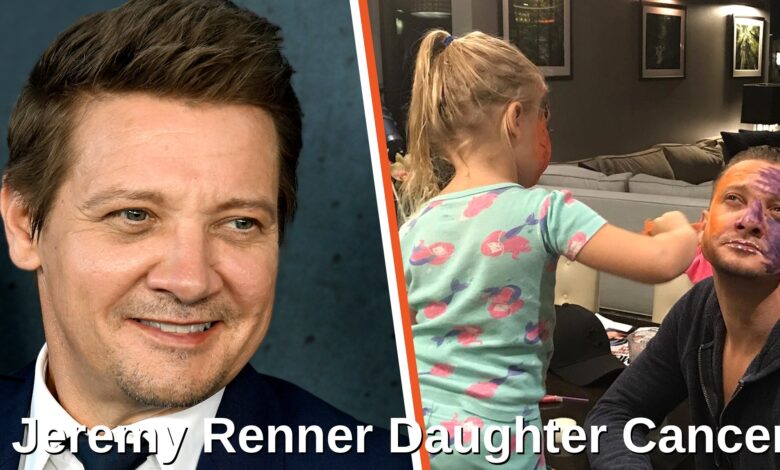
Understanding Why the Phrase “Jeremy Renner Daughter Cancer” Exists Online
The keyword “Jeremy Renner Daughter Cancer” appears frequently in searches, headlines, and social media discussions, largely driven by public concern and curiosity about the private lives of celebrities. When a well-known figure like Jeremy Renner faces personal challenges or health scares of his own, people naturally begin to look closer at his family as well. Over time, speculation can morph into assumed narratives, even when no verified information supports them.
It’s important to start with clarity. There is no confirmed public information or credible report stating that Jeremy Renner’s daughter has cancer. Despite the repeated appearance of the phrase “Jeremy Renner Daughter Cancer,” the topic is rooted in rumor, misunderstanding, and the internet’s tendency to amplify unverified claims. This article explores why such rumors emerge, how they spread, and what is actually known.
By approaching this subject carefully and responsibly, we can address public interest without contributing to misinformation. Discussing Jeremy Renner Daughter Cancer in context means acknowledging the keyword’s popularity while also emphasizing facts, privacy, and ethical reporting.
Who Is Jeremy Renner’s Daughter and Why the Public Is Protective

Jeremy Renner Daughter Cancer is known not only for his acting career but also for being a devoted father. His daughter, Ava Berlin Renner, has occasionally been mentioned in interviews where Renner talks about fatherhood, balance, and personal growth. These rare glimpses into his family life are often enough to spark intense interest from fans.
Because Renner is selective about what he shares, the lack of constant updates creates space for speculation. When the public doesn’t receive regular information, assumptions can fill the gap. This is one of the reasons the phrase Jeremy Renner Daughter Cancer began circulating—people attempting to explain silence with dramatic theories.
The protectiveness fans feel toward Ava is genuine, but it can sometimes cross into intrusive territory. Good intentions do not always lead to good outcomes, especially when speculation involves serious health conditions. Understanding this dynamic helps explain why such keywords gain traction even without factual backing.
How Celebrity Health Rumors Gain Momentum Online
The internet thrives on emotional engagement, and few topics generate more emotion than health, especially when children are involved. A single vague post, misinterpreted quote, or misleading headline can snowball quickly. In the case of Jeremy Renner Daughter Cancer, the phrase likely originated from misread discussions rather than verified news.
Search engines and social platforms reward repetition. When enough people search or mention a term, it appears more “real” than it actually is. Over time, the keyword becomes self-sustaining, encouraging more content—even when the premise is flawed.
This doesn’t mean people are malicious. Often, they’re concerned fans or casual readers who assume that widespread discussion equals truth. Recognizing this pattern is essential to understanding why the topic persists and why responsible clarification matters.
Jeremy Renner’s Own Health Challenges and the Spillover Effect
One major reason the Jeremy Renner Daughter Cancer rumor gained visibility is Jeremy Renner’s own highly publicized health crisis. When a celebrity experiences a serious injury or medical emergency, public attention expands outward to their family. Concern can unintentionally transform into speculation.
Jeremy Renner Daughter Cancer openness about recovery, resilience, and gratitude invited empathy worldwide. However, that same openness made people more alert to any perceived sign of trouble around him. In some cases, fans conflate different health stories, assuming that if one family member suffered, another must be struggling too.
This spillover effect is common in celebrity culture. It underscores why separating confirmed facts from emotional assumptions is crucial, particularly when discussing children who did not choose the spotlight.
The Importance of Privacy When It Comes to Children
Even when celebrities share parts of their lives publicly, their children deserve privacy. The repeated use of the phrase Jeremy Renner Daughter Cancer highlights a broader issue: how quickly the internet overlooks boundaries when curiosity takes over.
Health information, especially involving minors, is deeply personal. Public figures often draw firm lines around what they will and will not share, and those boundaries should be respected. The absence of public statements about Ava’s health should be seen not as a mystery to solve, but as a deliberate choice to protect her.
Responsible discussion means acknowledging interest without demanding disclosure. In this case, respecting privacy also means correcting misinformation rather than amplifying it.
Why Fans Feel a Strong Emotional Connection
Fans often feel they “know” celebrities through interviews, films, and social media. That emotional familiarity can create a sense of shared responsibility or concern. When a rumor like Jeremy Renner Daughter Cancer surfaces, it taps into protective instincts, especially among parents and caregivers.
This emotional connection explains why people search for updates, hoping for reassurance. Unfortunately, without reliable sources, that search can lead to misleading content. The intention may be compassionate, but the result can still be harmful if it spreads false narratives.
Recognizing the emotional root of these searches helps reframe the conversation. Instead of feeding rumors, the focus can shift toward empathy, accuracy, and respect.
Media Responsibility and the Cost of Click-Driven Narratives
Modern media operates in a competitive environment where clicks often matter more than caution. Keywords like Jeremy Renner Daughter Cancer can attract attention quickly, making them tempting for content creators who prioritize traffic over truth.
However, the cost of such practices is real. Misinformation damages trust, causes unnecessary distress, and invades personal lives. Ethical reporting requires restraint, especially when there is no verified information to support a claim.
Expert-driven content should aim to clarify, contextualize, and correct—not speculate. Addressing this topic responsibly means stating clearly that there is no confirmed diagnosis and discouraging the spread of unverified claims.
What We Actually Know: Facts Over Fiction
To be clear and direct: there is no public evidence that Jeremy Renner’s daughter has cancer. No official statements, interviews, or credible reports support the claim implied by the keyword Jeremy Renner Daughter Cancer.
What we do know is that Jeremy Renner Daughter Cancer has expressed deep love for his daughter and a desire to give her a stable, protected life. He has spoken about fatherhood as a grounding force, not as a source of public drama or tragedy.
By focusing on verified information, we can replace anxiety-driven speculation with calm understanding. Facts may be less sensational, but they are far more valuable.
Turning Concern Into Positive Action
Public concern doesn’t have to disappear; it just needs direction. Instead of spreading rumors like Jeremy Renner Daughter Cancer, fans can channel empathy into broader awareness about childhood health, cancer research, or family support systems—without attaching unverified claims to real people.
Supporting reputable charities, sharing accurate health information, or simply respecting privacy are all constructive alternatives. Compassion is most meaningful when it does not rely on speculation.
This approach allows fans to remain caring and engaged without crossing ethical lines.
Final Thoughts: Reframing the Conversation Responsibly
The persistence of the keyword Jeremy Renner Daughter Cancer reveals more about internet culture than about Jeremy Renner’s family. It shows how quickly concern can turn into assumption and how repetition can masquerade as truth.
An expert, responsible perspective emphasizes one key point: rumors are not facts. Jeremy Renner Daughter Cancer has not been publicly reported to have cancer, and repeating the claim without evidence only perpetuates misinformation.
By reframing the conversation around accuracy, privacy, and empathy, we can satisfy curiosity without causing harm. In doing so, we not only respect Jeremy Renner and his family, but also contribute to a healthier, more trustworthy online environment.