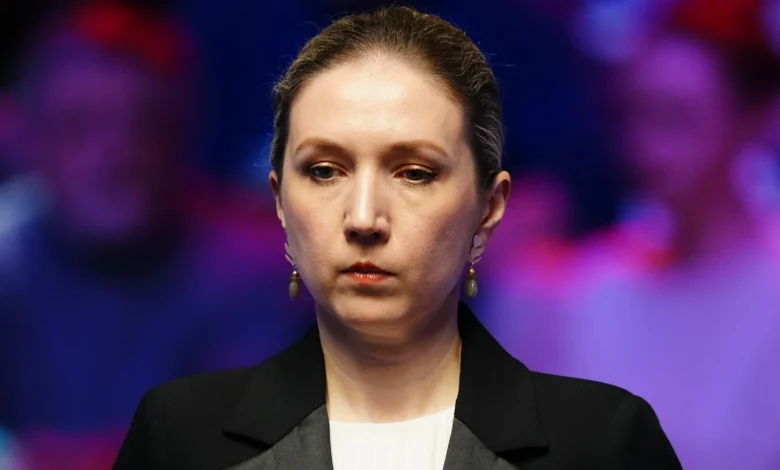
Female Snooker Referees has long been associated with quiet halls, intense concentration, and a tradition-heavy atmosphere. For decades, it was also overwhelmingly male—not just among players, but behind the scenes as well. Today, that landscape is changing. Female snooker referees are not only part of the professional circuit; they are shaping its standards, its global appeal, and its future.
Their rise has not been accidental. It reflects a broader shift in sport toward inclusion and merit-based recognition. Yet in snooker specifically, the presence of women in officiating roles carries special weight. Referees are central to the integrity of the game. They control the pace, interpret the rules, and maintain the psychological balance at the table. Seeing women in these high-pressure roles signals that expertise—not gender—is the true qualification.
In this article, we will explore how female snooker referees have evolved within the sport, the challenges they have faced, the impact they are making today, and what their growing presence means for the future of snooker worldwide.
The Evolution of Women in Snooker Officiating
Female Snooker Referees professional era developed in the UK, where tradition and hierarchy shaped much of its early identity. For years, refereeing positions were dominated by men, often former players or individuals who had worked their way through local circuits. The idea of women officiating at the highest levels was rarely discussed, let alone implemented.
However, as the sport expanded internationally, governing bodies began focusing more on fairness, representation, and talent development. This shift opened doors for women who had the knowledge, discipline, and passion required to officiate professionally. What started as occasional appearances on lower-tier events gradually evolved into consistent representation at ranking tournaments.
A significant milestone came when referees like Michaela Tabb officiated major finals, including the World Female Snooker Referees Championship final. Her presence on the biggest stage sent a powerful message: competence defines authority in snooker, not gender. Following her path, referees such as Desislava Bozhilova and Tatiana Woollaston have established themselves as respected officials in top-tier competitions.
The evolution has not been sudden, but it has been steady. With structured referee training programs and transparent performance evaluations, women are now entering officiating pipelines on equal footing. That structural change is one of the most important factors behind their growing visibility.
The Skill Set That Defines Elite Female Snooker Referees
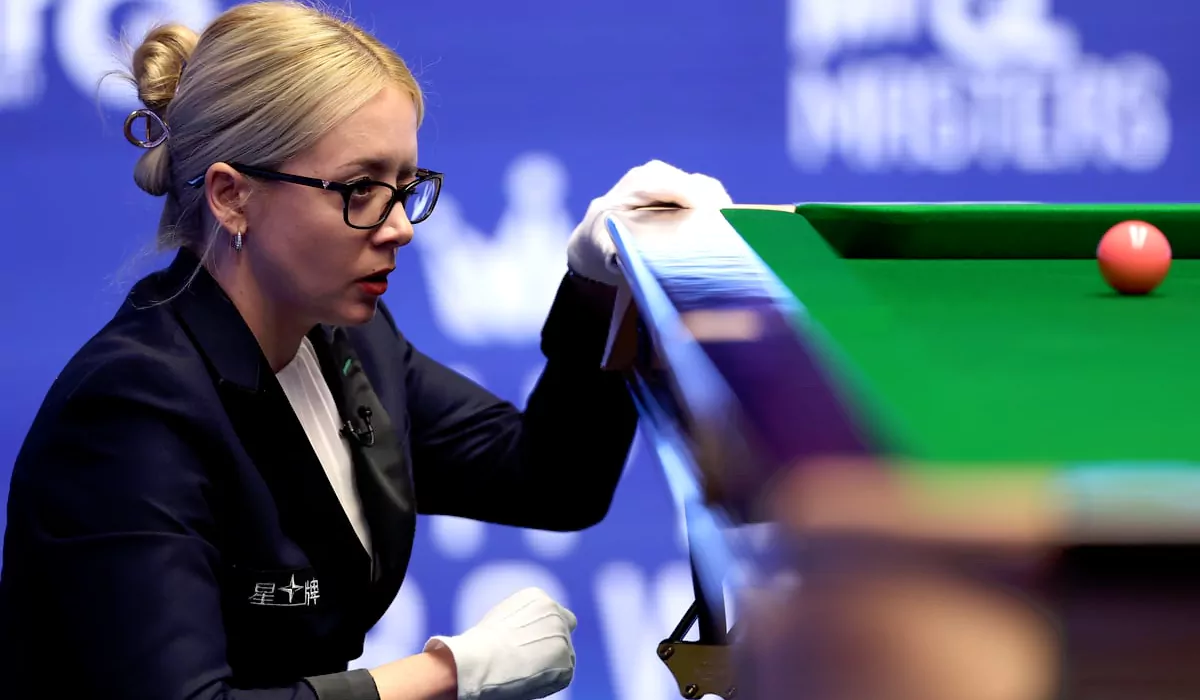
Refereeing Female Snooker Referees at the professional level requires an extraordinary blend of technical mastery and psychological resilience. The rules of snooker are complex, particularly when it comes to fouls, free balls, and intricate safety play. Referees must make immediate decisions under intense scrutiny from players, commentators, and millions of viewers.
Female snooker referees, like their male counterparts, undergo rigorous assessment. They must demonstrate complete knowledge of the rulebook, exceptional eyesight for ball positioning, and the ability to remain calm in high-pressure situations. The quiet authority needed at the table is earned through consistency and preparation, not through personality alone.
Beyond the technical aspects, communication skills are vital. A referee must interact professionally with players who may be under extreme competitive stress. The tone, body language, and clarity of explanation can either diffuse tension or escalate it. Experienced female referees have shown remarkable composure in handling disputes, reinforcing their credibility within the sport.
It is important to note that refereeing is physically demanding as well. Standing for long hours, leaning across tables to clean balls, and maintaining concentration through lengthy frames requires stamina. Success in this role reflects both mental endurance and physical discipline—qualities that elite Female Snooker Referees consistently demonstrate.
Breaking Stereotypes in a Traditional Sport
Snooker has often been viewed as conservative, steeped in tradition and resistant to rapid change. In that environment, Female Snooker Referees initially faced skepticism from certain segments of the audience and media. Questions were sometimes framed not around their expertise, but around their presence.
However, performance has been the ultimate answer to doubt. When referees consistently deliver accurate calls and handle critical matches flawlessly, the narrative shifts. Instead of focusing on gender, discussions turn to professionalism and decision-making. Over time, familiarity has replaced novelty.
Media coverage has also evolved. Early reporting sometimes highlighted appearance or gender before discussing competence. Today, coverage of major tournaments tends to focus on officiating quality and match management. This shift reflects a broader cultural maturity within the sport.
Breaking stereotypes is rarely dramatic; it is often gradual. Every successful tournament officiated by a Female Snooker Referees normalizes the image of women in authority within snooker. That normalization is perhaps the most powerful change of all.
The Global Impact on Women in Cue Sports
The influence of female snooker referees extends beyond the professional tour. Representation matters deeply at grassroots levels. When young women see officials like Desislava Bozhilova or Tatiana Woollaston officiating ranking events, it expands their perception of what roles are available in cue sports.
Snooker’s global expansion into Asia, Eastern Europe, and the Middle East has created new opportunities for officiating careers. As more federations invest in referee training programs, women are entering these systems with increasing confidence. International tournaments now regularly feature diverse officiating teams, reflecting the sport’s worldwide growth.
This global visibility also encourages national associations to adopt inclusive policies. When major tours demonstrate that women can officiate at the highest standard, it sets a benchmark. Local federations often follow that example, ensuring that talent identification processes remain merit-based.
In many ways, Female Snooker Referees are ambassadors for the sport. Their professionalism enhances snooker’s image as a modern, inclusive discipline. That broader appeal can attract new audiences and sponsors, further strengthening the game’s future.
Challenges That Still Exist
Despite clear progress, challenges remain. Female Snooker Referees officiating is a competitive field with limited top-tier positions. Advancement requires not only skill but also access to high-profile events where performance can be evaluated. Ensuring equal opportunities for assignment remains an ongoing priority.
Travel demands can also be intense. Professional tournaments are held across multiple continents, requiring frequent international trips. Balancing personal life with such a schedule can be demanding for any referee. Support structures and flexible policies are essential to retaining talented officials.
Additionally, while overt bias has decreased significantly, subtle stereotypes can persist. Female Snooker Referees may still feel pressure to prove themselves repeatedly in ways their male counterparts do not. Addressing this requires consistent organizational commitment to fairness and objective performance metrics.
The key point, however, is that these challenges are not insurmountable. With structured governance, transparent selection processes, and continued cultural evolution, the pathway for women in snooker officiating can become even stronger.
The Future of Female Snooker Referees
Looking ahead, the trajectory appears promising. As younger generations enter the sport with more inclusive attitudes, the presence of Female Snooker Referees will feel increasingly standard rather than exceptional. The conversation will move entirely toward performance, match quality, and rule interpretation.
Technological advancements such as enhanced camera systems and potential rule innovations will also influence officiating. Female Snooker Referees are fully integrated into these developments, participating in training programs and adapting to modern tools. Their role is not symbolic; it is functional and central to the sport’s progress.
The ultimate goal is simple: a refereeing community defined solely by competence and professionalism. When that point is fully realized, the term “female snooker referees” may become unnecessary. There will simply be elite referees—respected for their skill, judgment, and authority.
Until then, recognizing their contributions remains important. The journey from limited representation to major final officiation reflects both individual excellence and institutional change. It is a testament to the resilience and dedication of the women who stepped forward, learned the craft, and earned their place at the table.
Conclusion
Female snooker referees are not a novelty or a trend; they are an integral part of the modern game. Through technical expertise, mental toughness, and unwavering professionalism, they have proven that authority in snooker is rooted in knowledge and composure.
Figures such as Michaela Tabb paved the way, while current officials like Desislava Bozhilova and Tatiana Woollaston continue to elevate standards at the highest levels. Their presence strengthens the sport’s credibility and broadens its appeal.
As snooker continues to grow globally, the influence of Female Snooker Referees will only deepen. They represent fairness, expertise, and the evolving identity of a sport that respects tradition while embracing progress. And ultimately, that balance is exactly what keeps snooker compelling—on and off the table.