Wordle Hint has quietly become a daily ritual for millions of people around the world. What looks like a simple five-letter word game quickly turns into a test of logic, vocabulary, and patience. Some days the answer feels obvious, while other days it seems completely impossible. That’s where a Wordle hint comes in—not to spoil the fun, but to guide your thinking in the right direction.
A good Wordle hint doesn’t hand you the answer. Instead, it helps you recognize patterns, avoid common mistakes, and improve your chances of solving the puzzle in fewer guesses. Over time, learning how to use hints properly can make you a much stronger and more confident player.
In this article, we’ll break down what a Wordle hint really means, how experts use hints strategically, and how you can develop your own system to consistently crack the daily puzzle. Whether you’re a beginner or someone stuck on a long losing streak, this guide will help you level up your Wordle game.
Understanding What a Wordle Hint Really Is
A Wordle hint is not the same as a direct clue or a spoiler. It’s more like a gentle push in the right direction. Instead of telling you the word, a hint encourages you to think differently about letter placement, vowel usage, or common word patterns.
Many players misunderstand hints and assume they reduce the challenge. In reality, a well-used Wordle hint actually sharpens your problem-solving skills. It trains your brain to analyze feedback from previous guesses instead of randomly trying new words.
When experts talk about Wordle hints, they’re usually referring to strategies such as focusing on letter frequency, avoiding repeated letters early, or recognizing common endings. These hints are subtle, but they make a massive difference over time.
Choosing the Best Starting Word as a Wordle Hint
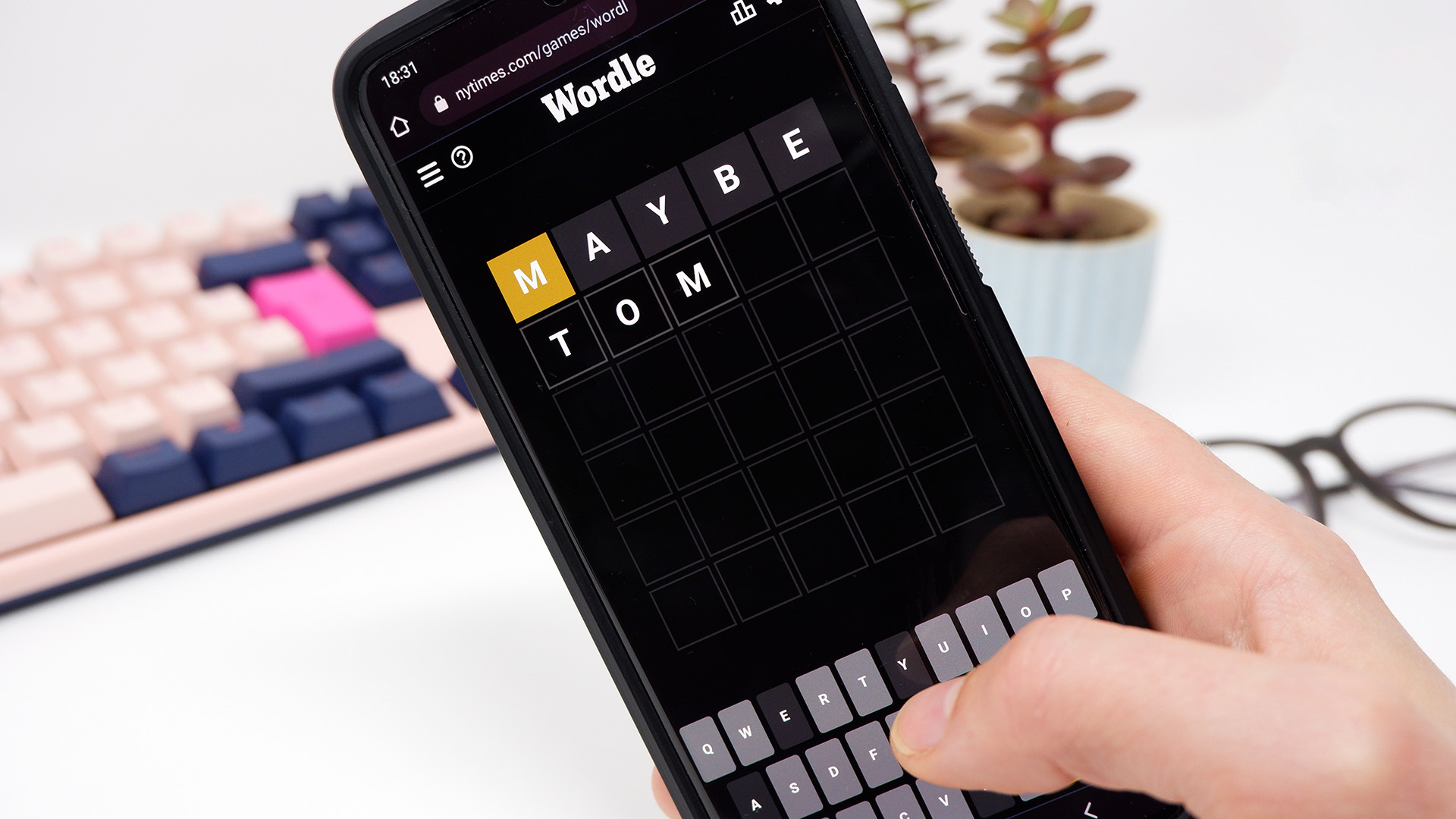
Your starting word is the most powerful Wordle hint you’ll ever use. A strong opening guess can reveal multiple letters at once and set the tone for the entire game. Words that include common vowels and consonants give you more information right away.
Expert players often choose words like “audio,” “arise,” or “crate” because they cover a wide range of frequently used letters. This approach isn’t about luck; it’s about maximizing data from your first attempt. The more letters you test early, the fewer guesses you waste later.
Using a smart starting word as a Wordle hint also helps you avoid panic. When you see a mix of green, yellow, and gray tiles early on, your brain naturally starts forming logical word possibilities instead of guessing blindly.
How Letter Feedback Works as a Built-In Wordle Hint
Every color in Wordle is a hint if you know how to read it properly. Green letters tell you that both the letter and its position are correct. Yellow letters confirm the letter is in the word but placed incorrectly. Gray letters eliminate options entirely.
Many players make the mistake of ignoring gray letters too quickly. In reality, gray tiles are one of the strongest Wordle hints available. They help narrow your options and prevent you from repeating the same mistakes in later guesses.
Understanding feedback at a deeper level allows you to treat each guess like a mini experiment. Instead of hoping for the right answer, you’re gathering clues. This mindset shift alone can dramatically improve your success rate.
Using Vowels and Consonants as a Strategic Wordle Hint
Vowels play a critical role in Wordle, and recognizing this is a powerful hint in itself. Most five-letter words contain at least one vowel, and many contain two or more. Testing vowels early helps you identify the structure of the word faster.
However, relying only on vowels can backfire. Expert players balance vowel testing with common consonants like R, T, N, and S. This combination gives you a clearer picture of the word’s skeleton, making it easier to fill in the blanks.
Thinking about vowel placement is another underrated Wordle hint. For example, certain vowels rarely appear at the end of words, while others often do. Paying attention to these subtle patterns can help you rule out incorrect guesses faster than you might expect.
Avoiding Common Mistakes That Ignore Wordle Hints
One of the biggest mistakes players make is reusing letters that have already been ruled out. Ignoring this basic Wordle hint wastes valuable guesses and increases frustration. Every guess should build on what you already know.
Another common error is locking onto a single word too early. Just because a guess seems promising doesn’t mean it’s correct. Smart players keep multiple possibilities open and use each guess to test new information rather than confirm a single theory.
Finally, many players underestimate the danger of repeated letters. While Wordle does sometimes include double letters, assuming repetition too early can limit your thinking. Treat repetition as a late-game Wordle hint, not an early one.
Advanced Wordle Hint Techniques Used by Experts
Experienced Wordle players often use elimination guesses that aren’t meant to be correct answers. These guesses act as advanced hints by testing several unknown letters at once. While it may feel counterintuitive, this technique can save you in tight situations.
Another expert-level Wordle hint involves recognizing common word endings like “-ing,” “-ed,” or “-er.” When your guesses start pointing toward a familiar ending, you can narrow your focus dramatically and increase your chances of success.
Experts also rely heavily on pattern recognition. Over time, you’ll notice that certain letter combinations appear more frequently than others. This subconscious knowledge becomes a powerful hint that guides your choices without you even realizing it.
How Daily Practice Turns Wordle Hints Into Instinct
The more you play Wordle, the less you need external hints. Daily practice trains your brain to recognize patterns, letter frequencies, and logical pathways automatically. What once felt like guesswork slowly turns into instinct.
This is why many seasoned players solve the puzzle in three or four tries consistently. They’re not smarter—they’re just better at interpreting Wordle hints based on experience. Each game adds to a mental library of possibilities.
Over time, you’ll notice that you start predicting letter behavior before the tiles even flip. That’s the real power of mastering Wordle hints: they stop feeling like tips and start feeling like second nature.
Final Thoughts on Using a Wordle Hint the Right Way
A Wordle hint is not a shortcut—it’s a learning tool. When used correctly, hints help you think more clearly, make smarter guesses, and enjoy the game on a deeper level. The goal isn’t just to win, but to understand why you won.
By choosing strong starting words, reading letter feedback carefully, and avoiding common mistakes, you can turn every hint into an advantage. Over time, these small improvements add up to consistent success.
If you ever feel stuck, remember that the best Wordle hint is patience. Take a breath, review what you know, and trust the process. With the right approach, even the toughest puzzle becomes solvable.