Bernie Sanders Polls: What the Numbers Really Say About His Political Influence


Bernie Sanders Polls has been one of the most consistently discussed figures in American politics for over a decade, and a major reason for that attention is how he performs in polls. Whether it’s national approval ratings, primary election surveys, or issue-based polling, “Bernie Sanders polls” remain a hot topic among political analysts, voters, and media outlets alike. Even when he isn’t actively campaigning for the presidency, his name continues to show up in polling data that measures public trust, favorability, and ideological alignment.
What makes Bernie Sanders Polls polling data especially interesting is that it often defies traditional political expectations. As a self-described democratic socialist in a system long dominated by centrists, Sanders has repeatedly demonstrated that his message resonates with a sizable and loyal portion of the electorate. Polls over the years have shown strong consistency in his support base, particularly among younger voters and working-class Americans.
In this article, we’ll break down what Bernie Sanders polls really mean, how to interpret them, and why they still matter today. Rather than focusing on isolated numbers, we’ll look at trends, demographics, and the broader political impact that polling data reveals about Sanders’ enduring influence.
Understanding the Importance of Bernie Sanders Polls
Polls are often misunderstood as simple snapshots of popularity, but in reality, they serve a much deeper purpose in political analysis. When it comes to Bernie Sanders polls, they offer insight into how voters feel about progressive policies, economic reform, and the direction of the Democratic Party. Sanders’ polling performance is rarely just about him as an individual; it’s often a proxy for larger ideological movements.
One reason Bernie Sanders Polls receive so much attention is because they consistently highlight a divide within the electorate. While he may not always lead among older or more moderate voters, he frequently performs exceptionally well with younger demographics. This pattern has remained stable across multiple election cycles, making his polling data unusually reliable in terms of long-term trends.
Additionally, Bernie Sanders polls often challenge assumptions made by political insiders. Even when establishment candidates are heavily favored by party leadership or donors, Sanders’ numbers frequently suggest a strong grassroots appeal. That disconnect between elite expectations and voter sentiment is one of the key reasons analysts keep a close eye on his polling results.
National Approval Ratings and Favorability Trends
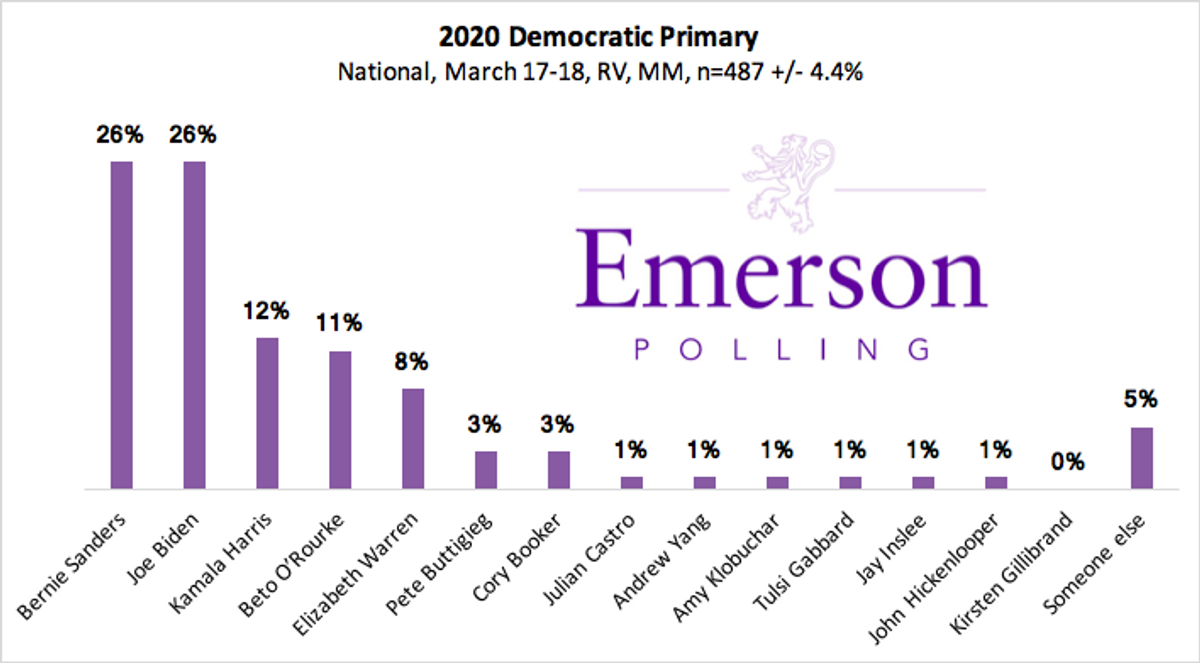
When looking at national approval and favorability polls, Bernie Sanders Polls tends to stand out compared to other prominent political figures. While many politicians experience dramatic swings based on news cycles or controversies, Sanders’ ratings are often remarkably steady. This consistency suggests that most voters have already formed a clear opinion about him.
Favorability Bernie Sanders Polls usually show Sanders with a polarized but solid profile. Those who support him tend to do so strongly, while those who oppose him are similarly firm in their views. However, what’s notable is that his favorable ratings often outperform expectations for a politician who openly embraces progressive and socialist-leaning ideas in a traditionally capitalist political system.
Another important factor is trust. In many polls measuring honesty and authenticity, Bernie Sanders Polls scores particularly high. Voters frequently describe him as “consistent,” “principled,” and “genuine,” qualities that translate well into approval ratings. These perceptions help explain why his polling numbers remain resilient even when he faces criticism from both political opponents and members of his own party.
Bernie Sanders Polls Among Young Voters
One of the most defining features of Bernie Sanders Polls data is his overwhelming strength among younger voters. In multiple surveys over the years, Sanders has either led or come close to leading among voters under 35. This trend has become so consistent that it is now considered a core part of his political identity.
Young voters often respond positively to Sanders’ positions on student debt, healthcare, climate change, and economic inequality. Polls show that these issues are top priorities for younger demographics, and Bernie Sanders Polls policy proposals align closely with their concerns. As a result, his polling numbers in this age group often surpass those of more traditional candidates.
What makes this particularly significant is the long-term impact. While younger voters may not always turn out at the same rates as older ones, polling data suggests that Bernie Sanders Polls has helped shape the political attitudes of an entire generation. Even voters who don’t directly support him often express approval for the issues he has brought into mainstream political discourse.
Performance in Democratic Primary Polls
Bernie Sanders Polls performance in Democratic primary polls has been one of the most analyzed aspects of his political career. During primary seasons, his polling numbers have frequently shown him as a top contender, even when facing candidates with greater institutional support. This has made him a recurring wildcard in Democratic politics.
Primary polls often reveal Bernie Sanders Polls strength in caucus states and regions with strong grassroots organizing. His supporters tend to be highly motivated, which sometimes allows him to outperform polling expectations on election day. Analysts have repeatedly noted that Sanders’ base is more likely to volunteer, donate small amounts, and engage in campaign activities.
At the same time, primary polling data has also highlighted his challenges. Bernie Sanders Polls often struggles in polls among older voters and more conservative Democrats. These patterns help explain why, despite strong showings, he has faced difficulty consolidating broad party support. Still, his consistent presence near the top of primary polls underscores his lasting relevance within the Democratic Party.
Issue-Based Polling and Policy Support
Beyond candidate preference, issue-based polls offer another lens through which to understand Bernie Sanders Polls influence. Surveys on topics like universal healthcare, minimum wage increases, and wealth taxes often show growing public support, mirroring positions Sanders has championed for decades. In many cases, his ideas poll better than his opponents expect.
This creates an interesting dynamic where voters may not always choose Bernie Sanders Polls as their preferred candidate but still support the policies he advocates. Polling data frequently shows that key elements of his platform enjoy majority or near-majority approval, particularly among independents and younger voters.
Over time, issue-based polls suggest that Bernie Sanders Polls has played a major role in shifting the policy conversation. Concepts that were once considered fringe now appear regularly in mainstream polling questions, and the results often validate his long-standing arguments. This influence extends beyond election cycles and into broader legislative debates.
Media Coverage and Its Impact on Polls
Media coverage plays a crucial role in shaping how polls are interpreted, and Bernie Sanders polls are no exception. Headlines often focus on whether he is “surging” or “slipping,” sometimes exaggerating small changes in polling margins. This can create a perception of volatility even when the underlying data is relatively stable.
Bernie Sanders Polls has often been portrayed as an outsider or disruptor, a narrative that can both help and hurt his polling numbers. Supporters tend to rally around him when they feel he is being treated unfairly, while skeptics may become more entrenched in their opposition. Polls taken after major media events frequently reflect these dynamics.
Despite this, long-term polling trends suggest that Bernie Sanders Polls core support is largely immune to short-term media cycles. While coverage may influence undecided voters at the margins, his base remains remarkably consistent. This stability is one of the defining features of Bernie Sanders polling data.
What Bernie Sanders Polls Mean for the Future
Even as political landscapes change, Bernie Sanders polls continue to offer valuable insight into the direction of American politics. His consistent performance suggests that progressive ideas are no longer limited to the political fringe. Instead, they represent a significant and growing segment of the electorate.
Future polls involving Sanders, whether as a candidate or a public figure, are likely to focus more on his role as a movement leader rather than a traditional politician. Surveys may increasingly measure how his ideas influence younger lawmakers, party platforms, and voter expectations.
Ultimately, Bernie Sanders polls tell a story that goes beyond winning or losing elections. They reveal a shift in voter priorities, a challenge to established norms, and the lasting impact of a politician who has remained true to his message. For analysts and voters alike, these polls remain a powerful tool for understanding where American politics may be headed next.