Introduction
Keeping your Upgrade Oxzep7 Python environment updated is one of the smartest decisions for developers, system administrators, and software enthusiasts. If you are searching for “Upgrade Oxzep7 Python,” chances are you want to improve performance, enhance security, or ensure compatibility with modern applications. Upgrading Python in an Oxzep7 environment can help you unlock new libraries, faster execution, and improved development workflows.
Python evolves rapidly, and every new version introduces useful features, bug fixes, and optimization improvements. Whether you are running scripts, automation tools, machine learning applications, or web development frameworks, using an outdated Python version can create compatibility issues and slow down your projects.
This guide explains everything you need to know about upgrading Oxzep7 Python properly. From understanding why Upgrade Oxzep7 Python matter to learning the safest upgrade methods, this article covers every important detail in a beginner-friendly yet professional manner.
What Is Oxzep7 Python?
Oxzep7 Python typically refers to a customized or environment-specific Python setup used for software execution, development operations, or automated system tasks. Many users encounter this environment when working with custom server platforms, specialized software packages, or advanced deployment systems.
The main purpose of Oxzep7 Python environments is to provide a stable runtime for applications. However, as Python versions become outdated, users begin facing limitations such as unsupported libraries, reduced security, and slower performance. That is why regular Upgrade Oxzep7 Python become necessary.
Older Python versions may no longer receive official support. This means security vulnerabilities remain unpatched, which can create risks for developers and organizations. Upgrading helps maintain a secure and reliable environment for both personal and professional use.
Another important reason for upgrading is compatibility. Modern frameworks and libraries often require newer Python releases. If your Oxzep7 setup is still using an older version, you may struggle to install packages or run updated software correctly.
Why You Should Upgrade Oxzep7 Python
Better Performance
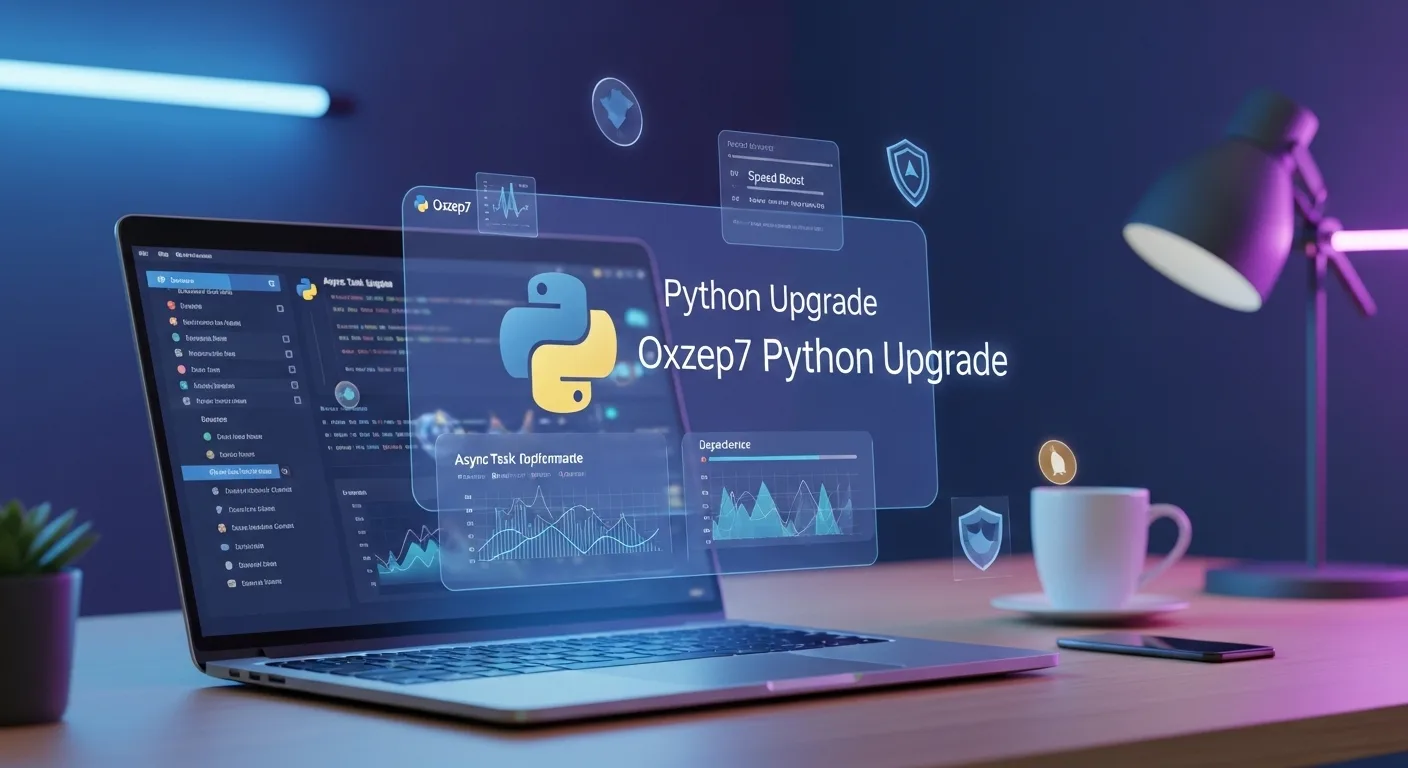
One of the biggest advantages of Upgrade Oxzep7 Python is improved performance. Newer versions are optimized to execute code faster and manage memory more efficiently. This becomes especially important for users working with data-heavy applications or automation scripts.
Performance improvements can reduce processing time significantly. Tasks that previously took minutes may complete much faster after upgrading. This helps increase productivity and system efficiency.
Modern Python versions also improve multithreading, error handling, and interpreter optimization. These enhancements create smoother execution and better resource management across applications.
Improved Security
Security is another major reason to upgrade Oxzep7 Python. Outdated versions can contain vulnerabilities that hackers may exploit. Developers who continue using unsupported Python releases expose their systems to unnecessary risks.
New Python updates include critical security patches and improved encryption standards. These updates help protect sensitive data and improve application safety.
Keeping your Python version current also ensures compatibility with secure third-party libraries. Many package maintainers stop supporting older Python releases over time.
Access to Modern Libraries
Many popular Python libraries now require modern versions of Python. Frameworks related to artificial intelligence, web development, automation, and data science frequently drop support for outdated versions.
By upgrading Oxzep7 Python, you gain access to advanced tools and features that improve development capabilities. This helps developers stay competitive and efficient in modern software environments.
Updated libraries also provide better documentation, improved functionality, and stronger community support.
How to Prepare Before Upgrading Oxzep7 Python
Backup Your Environment
Before performing any Upgrade Oxzep7 Python creating a full backup is extremely important. This protects your existing configuration and allows you to restore your environment if something goes wrong.
A backup should include project files, configuration settings, installed packages, and important scripts. Developers often overlook this step and later regret it when compatibility problems appear.
Having a backup ensures a safer Upgrade Oxzep7 Python process and reduces downtime.
Check Current Python Version
You should always verify your current Python version before upgrading. This helps you understand your starting point and determine which Upgrade Oxzep7 Python path is appropriate.
In most systems, you can check the version using terminal commands. Once identified, compare it with the latest stable release compatible with your Oxzep7 environment.
Knowing your current version also helps when troubleshooting upgrade-related issues later.
Review Installed Dependencies
Dependencies can become problematic during Upgrade Oxzep7 Python Some older packages may not support the latest Python version immediately.
Review all installed libraries carefully before proceeding. Check whether critical packages are compatible with the target Python version.
This step prevents application crashes and dependency conflicts after upgrading.
Step-by-Step Guide to Upgrade Oxzep7 Python
Step 1: Download the Latest Python Release
Start by obtaining the latest stable Upgrade Oxzep7 Python release suitable for your operating system and Oxzep7 setup. Avoid experimental or beta versions unless absolutely necessary.
Stable releases are tested extensively and provide the best balance between performance and reliability.
Ensure the installer or package source is trustworthy and verified.
Step 2: Install the New Version
Once downloaded, begin the installation process carefully. During installation, make sure environment variables and system paths are configured properly.
Many users accidentally overwrite important settings during installation. Reading prompts carefully can help avoid such mistakes.
Installing the new version alongside the old one initially can also reduce risks.
Step 3: Update Package Managers
After installing Python, update package management tools such as pip. This ensures package installations work smoothly with the Upgrade Oxzep7 Python environment.
Updated package managers provide better dependency resolution and compatibility handling.
Skipping this step may lead to installation failures later.
Step 4: Reinstall Required Libraries
Now reinstall or Upgrade Oxzep7 Python essential libraries in your Oxzep7 environment. This helps ensure compatibility with the new Python version.
Some packages may require updated versions to function properly. Testing applications after reinstalling dependencies is highly recommended.
Take your time during this stage to verify stability.
Step 5: Test Your Applications
Testing is critical after upgrading Oxzep7 Python. Run all major scripts and applications to identify compatibility issues early.
Developers should pay close attention to deprecated functions or syntax changes introduced in newer Python releases.
Testing thoroughly helps avoid unexpected failures in production environments.
Common Problems After Upgrading Oxzep7 Python
Dependency Conflicts
One of the most common issues involves incompatible dependencies. Older libraries may break after upgrading Python.
The best solution is to update those libraries or replace unsupported packages with alternatives.
Using virtual environments can also help isolate dependency issues effectively.
Path Configuration Errors
Sometimes systems continue using the old Python version even after an Upgrade Oxzep7 Python. This usually happens because environment paths were not updated correctly.
Verifying system paths and interpreter settings often resolves this issue quickly.
Double-checking terminal outputs can help confirm the active Python version.
Deprecated Features
New Python releases occasionally remove outdated features or functions. Older applications relying on deprecated code may stop working.
Developers should review official migration notes and update affected scripts accordingly.
Making code adjustments early can prevent long-term compatibility problems.
Best Practices for Maintaining an Updated Python Environment
Use Virtual Environments
Virtual environments help isolate projects and prevent dependency conflicts. They are one of the best tools for maintaining organized Python setups.
Each project can have its own dependencies without affecting the global environment.
This approach becomes especially useful after upgrading Oxzep7 Python.
Update Regularly
Avoid waiting several years between Upgrade Oxzep7 Python. Smaller, regular updates are easier to manage and less likely to break applications.
Frequent updates also improve security and compatibility continuously.
Staying current keeps your development environment modern and efficient.
Monitor Compatibility
Before upgrading major versions, always check compatibility documentation for important tools and frameworks.
Planning Upgrade Oxzep7 Python strategically reduces downtime and troubleshooting efforts.
Compatibility awareness is essential for stable production systems.
Future of Python in Oxzep7 Environments

Python continues to dominate industries such as automation, artificial intelligence, cybersecurity, and web development. As the language evolves, keeping Oxzep7 Python updated will become even more important.
Future Python versions are expected to deliver better speed, cleaner syntax, improved concurrency, and enhanced developer tools. Users who Upgrade Oxzep7 Python consistently will benefit from these innovations much earlier.
Organizations relying on outdated environments may eventually face major compatibility challenges. Proactive Upgrade Oxzep7 Python help avoid those issues while maintaining modern development standards.
FAQ About Upgrade Oxzep7 Python
Is upgrading Oxzep7 Python safe?
Yes, upgrading is generally safe if you create backups and follow proper Upgrade Oxzep7 Python procedures carefully.
Will upgrading Python delete my projects?
No, your projects usually remain intact. However, some dependencies may require updates after upgrading.
Why do some applications fail after upgrading?
Applications may fail because certain libraries or functions are incompatible with the new Python version.
How often should I upgrade Python?
It is recommended to stay reasonably current and install stable updates regularly for security and compatibility.
Can I keep multiple Python versions installed?
Yes, many developers maintain multiple Python versions for compatibility with different projects.
Conclusion
Upgrading Oxzep7 Python is an essential step for maintaining performance, security, and compatibility in modern development environments. Whether you are a beginner or an experienced developer, staying updated ensures smoother workflows and access to the latest tools and libraries.
A successful Upgrade Oxzep7 Python requires preparation, testing, and proper dependency management. By backing up your environment, reviewing compatibility, and following best practices, you can complete the upgrade process with minimal issues.
Modern Python releases offer substantial improvements that can transform your development experience. From faster execution to enhanced security and better package support, the benefits of upgrading are too significant to ignore.
If you want your Oxzep7 environment to remain reliable, efficient, and future-ready, upgrading Python should always remain a top priority.